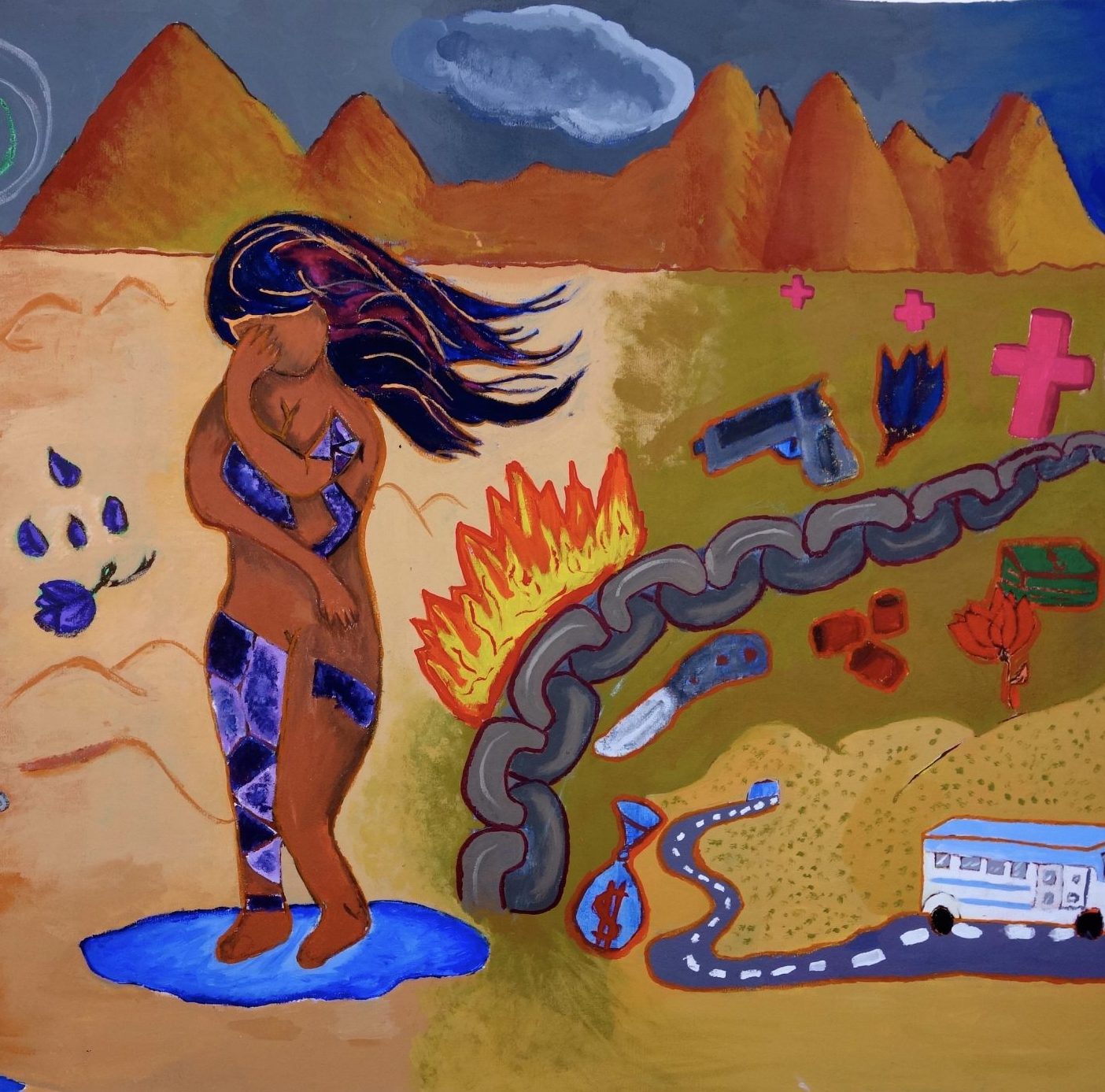
Art Against Brutality
Book by Claudia Bernardi
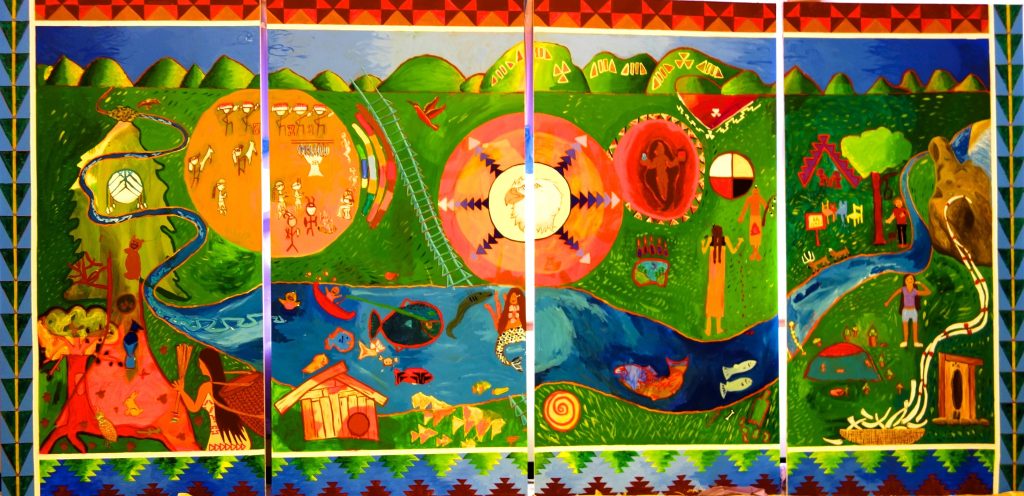
Walls of Hope
Walls of Hope, founded in 2005 by Claudia Bernardi, is an artistic collective that facilitates collaborative, community-based art projects. Using the Perquín Model, Walls of Hope supports the creation of artistic works designed to help rebuild fractured communities by addressing the social, institutional and economic damage caused by war and violence.
These projects operate at the intersection of art and political violence. Grounded in a commitment to human rights and social justice, Walls of Hope serves communities that often include survivors of massacres and torture, individuals forced into exile, asylum seekers, Indigenous peoples, Pueblos Originarios, and incarcerated youth in the United States.
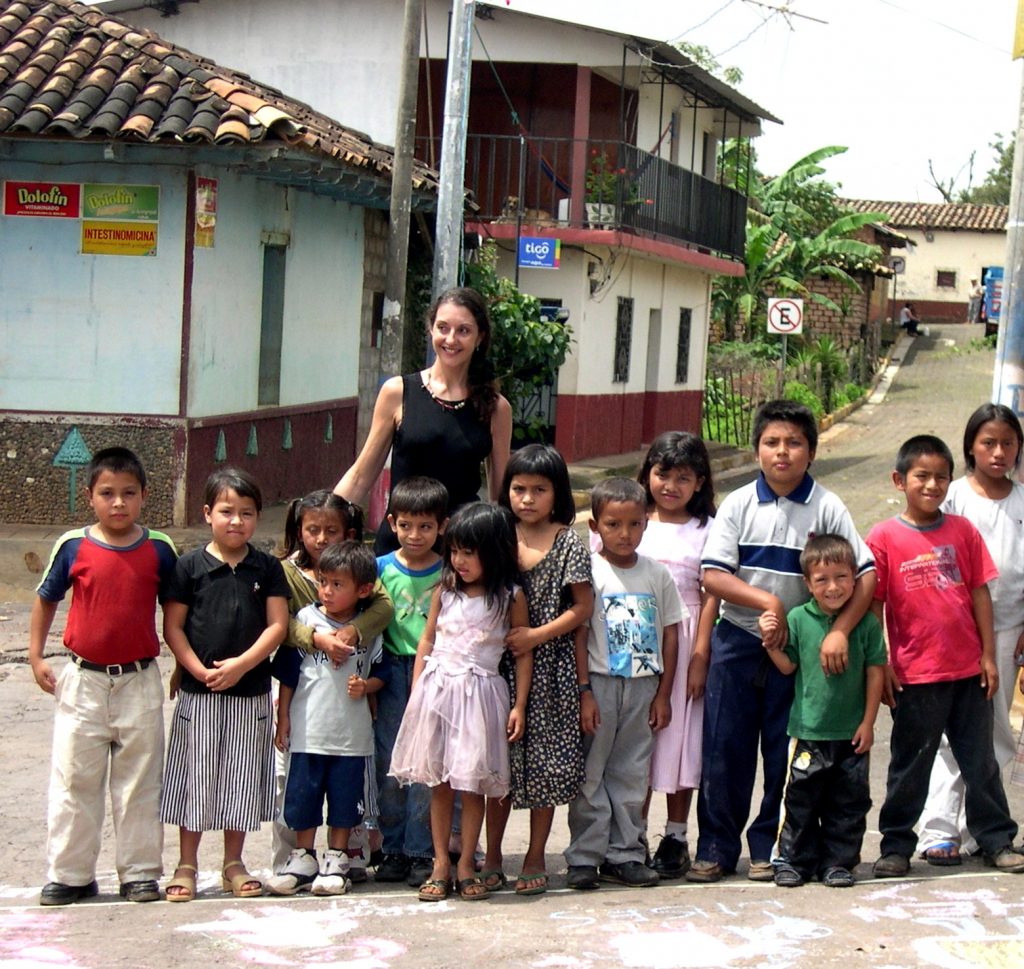
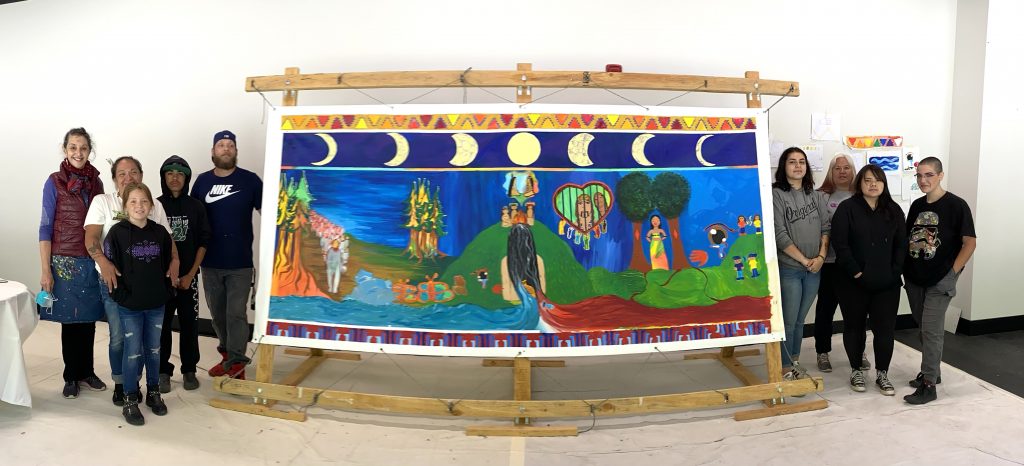
Participants of these collaborative art projects are encouraged and trained to replicate and lead similar workshops in their communities, extending and expanding Walls of Hope’s vision to youth, adolescents, adults and the elderly. A key indicator of Walls of Hope’s success, the Perquin Model has been replicated for communities all over the world, turning creativity into advocacy for diplomacy, justice and the protection of human and social rights.
Each project provides community members with the opportunity to share their histories, emotions and experiences while engaging in the transformative process in which invisible wounds may turn into tangible works of art.
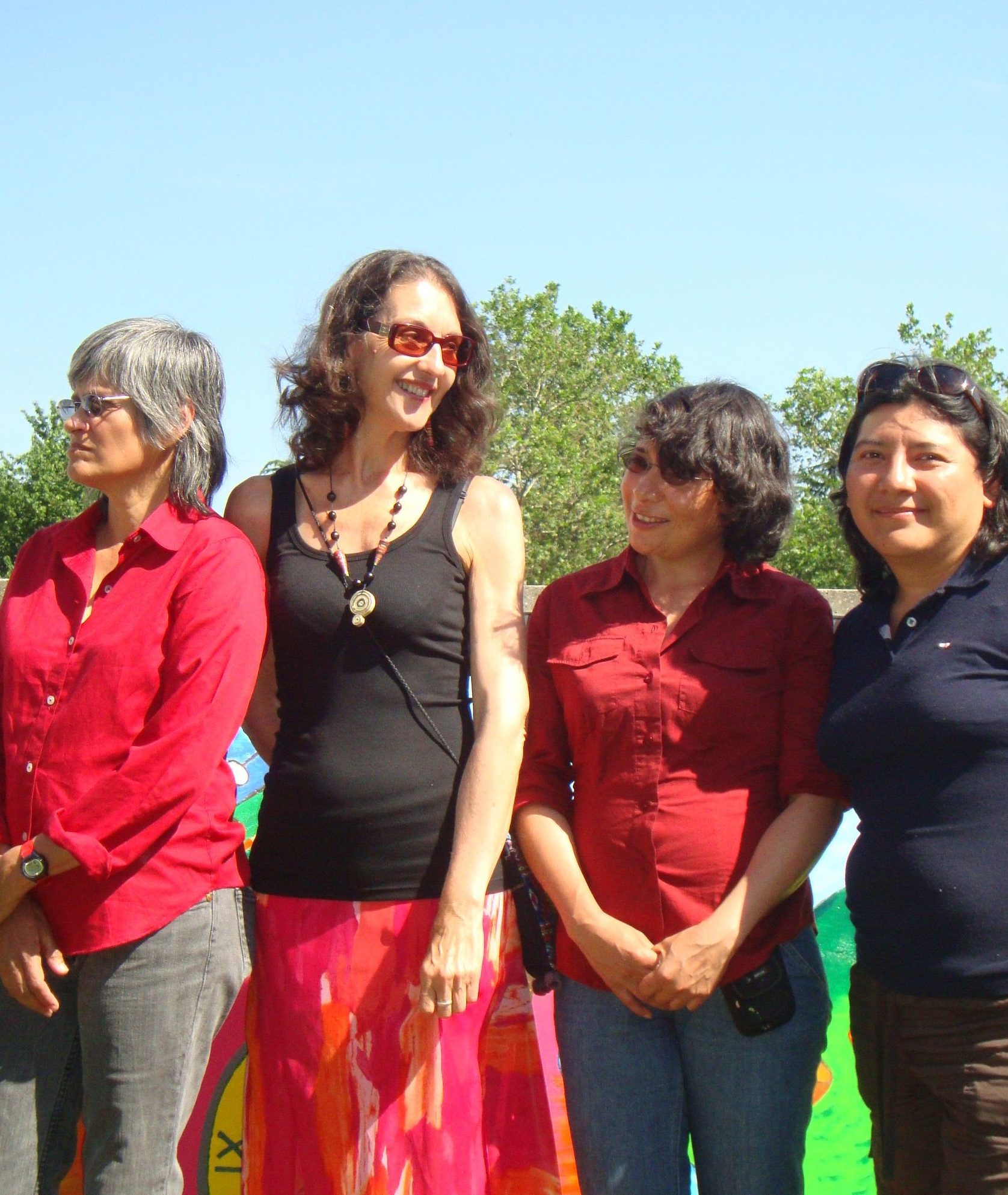

“Creativity, the presenters agreed, was a fundamental contributor to any enduring peace process.”
—Claudia Bernardi, Art Against Brutality